
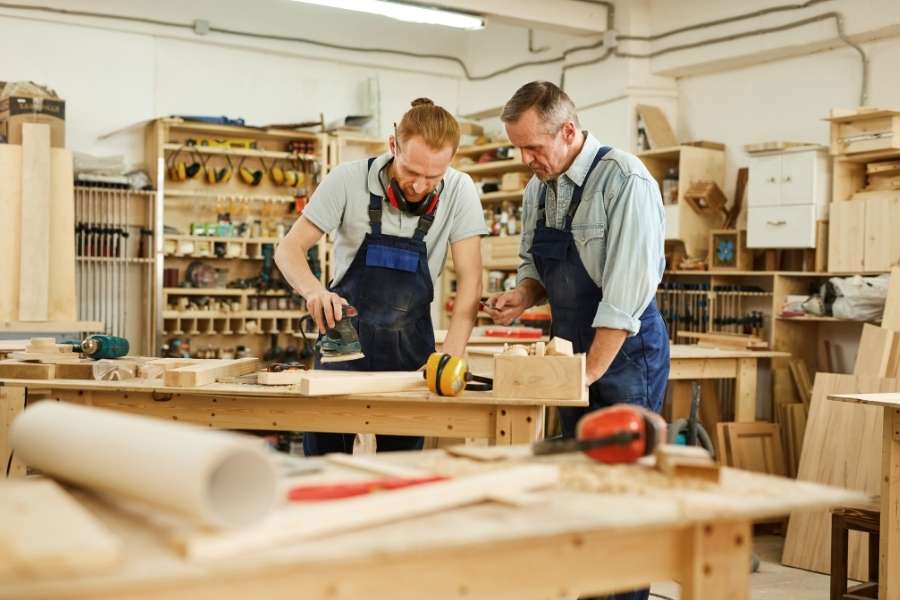
Traditional carpentry is a true masterpiece of human skill and logic. Huge structures stay together without any nails or metal parts. Builders use Frame Joinery Techniques to create strong lasting wooden skeletons. These methods turn raw logs into beautiful interlocking puzzles of art. Every connection relies on gravity and perfect geometric cuts. It is a brilliant way to build a heritage building.
The visual appeal of post and beam work is truly unmatched. You can see the internal strength of the entire house. These Frame Joinery Techniques allow the wood to move naturally. Using wooden pegs ensures the frame stays tight over many years. It is a sustainable way to handle heavy structural timber. This ancient craft creates homes that outlast modern buildings.
The Foundation of Strength: Mortise and Tenon
The mortise and tenon is the most famous technique in history. It features a protruding tongue fitting into a deep hole. This joint is essential for any solid heritage building project. You can find a beginners guide to joinery for home improvement to learn more. It provides the primary bond for most structural timber frames. Skilled workers cut these joints with extreme precision.
Builders often use the draw-boring method for extra security. They offset the holes for the wooden pegs slightly. Driving the peg through pulls the joint very tight. This makes the Frame Joinery Techniques incredibly resistant to tension. The wood actually grows stronger as it dries and settles. It is a hallmark of high-quality traditional carpentry.
The Elegance of the Scarf Joint
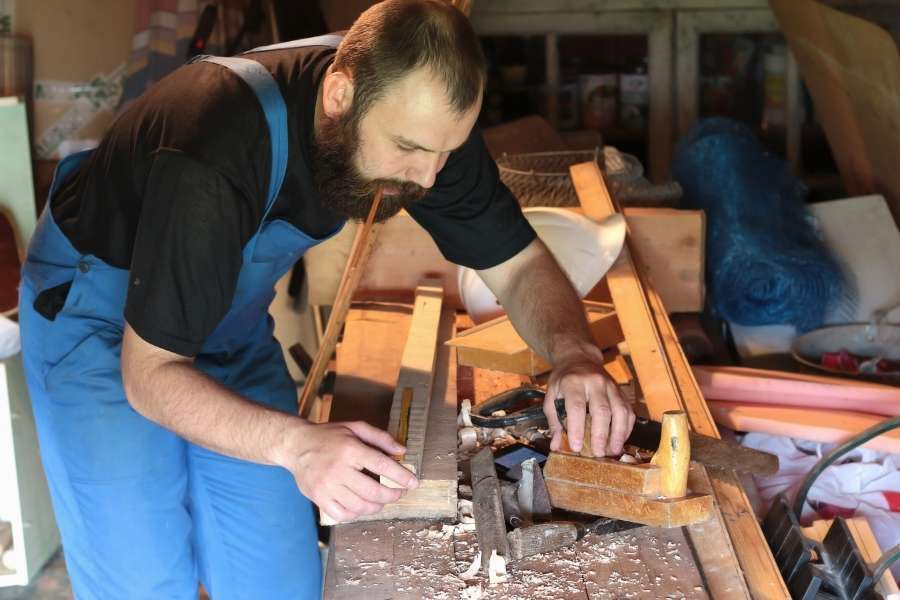
Sometimes a builder needs a very long horizontal beam. The scarf joint allows two pieces to become one. It is a vital part of traditional timber frame joinery techniques explained. Check out these joinery projects for outdoor spaces at for creative inspiration. This technique overlaps two beams using clever interlocking notches. It solves the problem of limited tree heights.
A perfect scarf joint distributes heavy loads across the connection. It requires a very steady hand and sharp tools. In a heritage building these joints are often beautiful highlights. They prove that traditional carpentry is both functional and artistic. The joint is usually locked with small wooden wedges. This creates a continuous and very stable structural timber.
Mastering the Tusk Tenon for Heavy Loads
The tusk tenon is the heavy-duty hero of timber framing. It is designed to support massive floor joist weights. This is one of the strongest Frame Joinery Techniques available. It features a special wedge that passes through the tenon. This wedge keeps the post and beam connection very tight. You can adjust the wedge if the wood shrinks.
The Sophistication of the Dovetail Joint
The dovetail is a classic shape in traditional carpentry. Its flared design prevents beams from pulling out easily. This is a key tool in Frame Joinery Techniques. It is often used to connect roof tie beams. The shape creates a mechanical lock without any glue. It stops the walls from spreading under heavy weight.
Choosing the best wood species for timber frame construction is vital. Hardwoods like Oak are perfect for these intricate cuts. The difference between modern and traditional timber joinery is clear here. Modern builders use metal straps but traditionalists use geometry. This keeps the structural timber looking clean and elegant. It adds immense value to any heritage building.
The Lap Joint and Bridle Joint
The lap joint is a simple but effective technique. Two beams simply overlap at their ends for corners. It is a foundational part of Frame Joinery Techniques. The bridle joint is similar to a tenon. However the mortise side is left completely open. It is very common in traditional roof peaks.
Frequently Asked Questions about Frame Joinery Techniques
People often ask how timber frame buildings are joined without metal. The answer lies in the physics of wood. These joints use friction and interlocking shapes to stay firm. It is a very eco-friendly way to build. Modern architecture is now rediscovering these ancient proven secrets.
Which are the best wood species for timber frame construction?
Oak and Douglas Fir are the top choices today. They offer the best strength for structural timber projects. These species hold Frame Joinery Techniques very well over time. They are resistant to decay and look beautiful.
What is the main difference between modern and traditional timber joinery?
The difference between modern and traditional timber joinery is the hardware. Traditional methods use wooden pegs and smart geometry. Modern methods rely on steel plates and screws. Traditional frames are much more durable and flexible.
How do builders ensure joints stay tight as the wood ages?
Carpenters often use unseasoned or green structural timber during construction. As the wood dries it shrinks around the wooden pegs. This natural process actually tightens the Frame Joinery Techniques over time. It creates a bond that is nearly impossible to pull apart.
