For generations, the wooden red barn was the heartbeat of the American farmstead. It was iconic, sure, but any producer who has spent a weekend scraping lead paint or replacing termite-damaged sills knows that nostalgia doesn’t protect the bottom line. Today, the rural landscape is shifting. Agricultural Steel Buildings have moved from being a specialized alternative to the primary choice for those who view their farm as a multi-generational business. This isn’t just about looking modern; it’s a fundamental pivot toward rural infrastructure that prioritizes structural resilience over constant weekend repairs.
Choosing a building is one of the most significant capital outlays a farm will face. Whether you are shielding a fleet of high-tech harvesters or providing a climate-controlled environment for livestock, the material you choose dictates your insurance premiums and your stress levels during a storm. In this guide, we’ll break down why Agricultural Steel Buildings are outperforming traditional timber and how they provide the specific versatility required for 21st-century agriculture.
The Engineering Behind the Strength
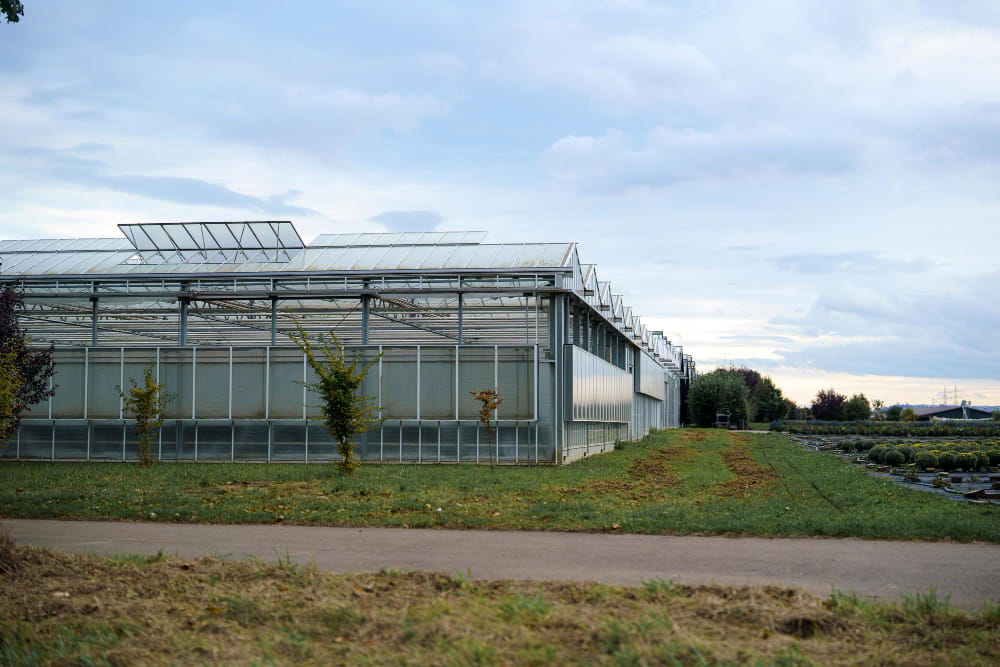
When you’re dealing with the unpredictable whims of nature, you need a structure that doesn’t flinch. Traditional wood begins to degrade the moment it hits the soil, but Agricultural Steel Buildings are engineered to withstand the elements with almost zero intervention. Using galvanized steel which is steel coated in a protective layer of zinc ensures the skeleton of your building is shielded against rust and corrosion. This is especially vital in high-moisture environments or near coastal areas where salt air would turn an unprotected structure into a pile of scrap within a decade.
The resilience of these structures is backed by rigorous testing. Unlike timber, steel is an isotropic material, meaning it has the same strength properties in all directions. It doesn’t warp, crack, or twist as the seasons change, ensuring that your large-scale doors will still slide smoothly twenty years from now. Furthermore, because steel is non-combustible, these buildings offer a level of fire safety that can significantly lower your annual insurance costs compared to traditional pole barns.
The Advantage of Clear-Span Construction
One of the most functional benefits of choosing Agricultural Steel Buildings is the ability to utilize clear-span construction. If you have ever tried to navigate a modern combine harvester around a row of interior support pillars, you know the frustration of limited space. Clear-span construction uses high-strength steel frames to support the roof without the need for any interior load-bearing columns. This provides a vast, unobstructed floor plan that allows you to maximize every square inch of your farm equipment storage without worrying about hitting a post.
This open-concept design is about more than just avoiding accidents. It allows for total flexibility; you can install internal partitions for workshops, feed rooms, or offices that can be moved or removed as your operations evolve. The absence of interior pillars also means there are fewer places for dust and pests to accumulate, making the entire facility easier to clean and maintain to the high hygienic standards required in modern food production.
Solutions Tailored to Specific Agricultural Sectors
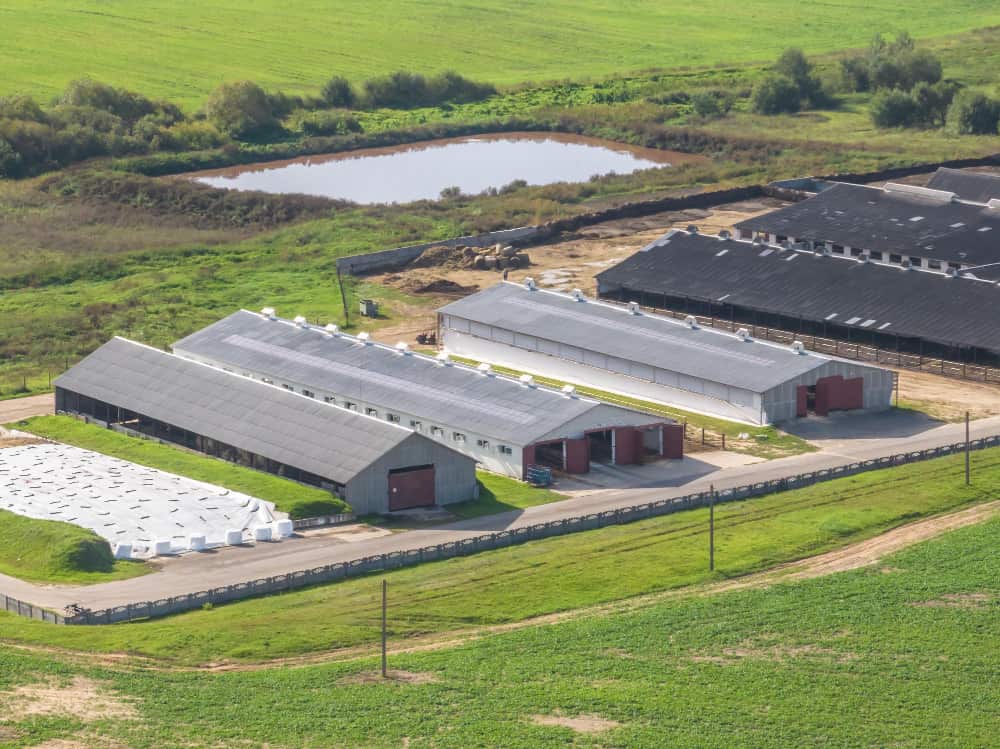
The versatility of Agricultural Steel Buildings means they are rarely a “one-size-fits-all” product. Every farm has a unique DNA, and the structures must adapt to those specific needs. From specialized livestock housing that requires integrated ventilation systems to simple, rugged Quonset huts for dry storage, steel offers a modularity that wood cannot match. These buildings can be heavily insulated to maintain strict temperature controls for sensitive crops or left as open-sided shelters for hay and general equipment protection.
Because the components are manufactured in a controlled factory environment, the precision of the assembly is incredibly high. This leads to tighter seals and better energy efficiency when the building is heated or cooled. Whether you are running a large-scale dairy or a boutique organic greenhouse, the ability to customize eave heights and roof pitches ensures the building fits your workflow perfectly.
From Prefabricated Metal Barns to Rapid Assembly
The barrier to entry for professional-grade structures has dropped significantly with the rise of prefabricated metal barns. Gone are the days of hiring a large crew for months of on-site cutting and welding. Today, many producers are opting for metal building kits that arrive on-site pre-punched, pre-cut, and ready to be bolted together. This streamlined approach doesn’t just save time; it slashes labor costs and ensures your site isn’t a messy construction zone for half the year.
- Rapid Deployment: Most metal building kits can be erected in a fraction of the time it takes to build with masonry or wood.
- Predictable Budgeting: Since the parts are engineered ahead of time, there is virtually no material waste, and the cost is locked in before the first truck arrives.
- Easy Expansion: If your business grows, Agricultural Steel Buildings are designed to be expanded by simply adding new bays to either end of the existing structure.
- Eco-Friendly Choice: Steel is the most recycled material on earth, making it the responsible choice for the environmentally conscious farmer.
The Long-Term Economics of Steel
Investing in Agricultural Steel Buildings is a strategic move that reflects the financial savvy of the modern producer. While the initial investment might be slightly higher than a basic pole barn, the Total Cost of Ownership (TCO) over thirty years tells a different story. You won’t face the recurring costs of pesticide treatments, rot repair, or frequent repainting. These buildings are designed to be an asset that appreciates in value rather than a liability that slowly decays into the landscape.
When you look at the data, the durability of galvanized steel and the flexibility of clear-span construction provide a level of future-proofing that is hard to find elsewhere. In an industry where margins are often thin, the ability to eliminate repair line items from your annual budget is a massive competitive advantage. By choosing Agricultural Steel Buildings, you are essentially buying peace of mind, knowing your equipment and livestock are protected by the strongest material available.
Final Thoughts on Your Infrastructure
The days of the high-maintenance farmstead are fading. As we look at the future of the industry, it’s clear that steel is the foundation of growth. It offers the strength to survive the storm, the space to house the next generation of machinery, and the longevity to serve as your legacy. So, as you plan your next expansion, ask yourself: are you building for the next five years, or the next fifty?
What is the biggest challenge you face with your current farm storage, and could a clear-span layout solve it?