
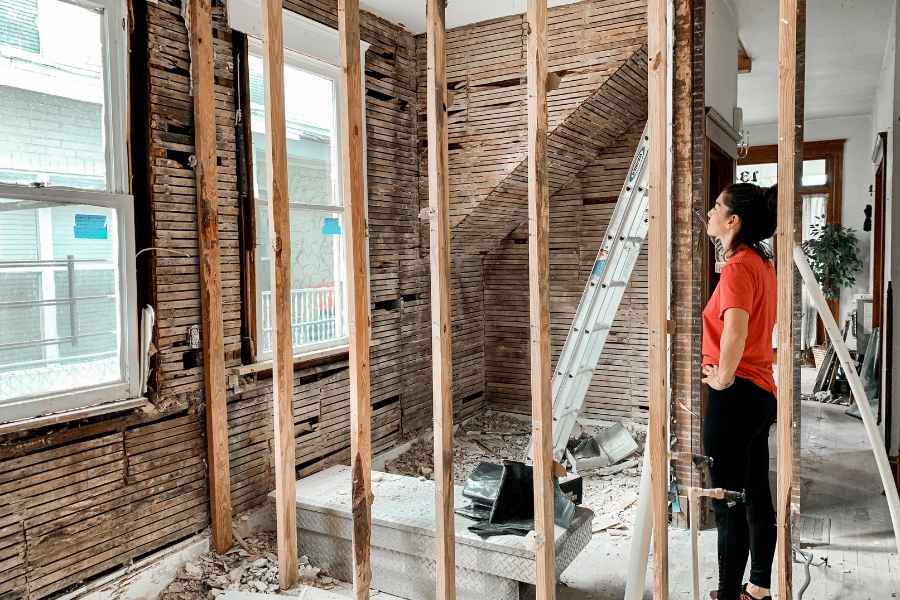
A home repair or renovation often begins with a practical problem: a drafty room, a tired kitchen, or a garden that no longer works for the family. Along the way, homeowners make choices, encounter surprises, and learn what they would do differently next time. Recording those details can help with future projects—and turn a personal experience into useful guidance for other homeowners.
Start with the Problem, Not the Finish
A clear account begins with what needed to change. Explain how the issue affected daily life and what prompted action. Was a bathroom difficult to use, or did water collect beside the foundation after heavy rain? Include the home’s relevant features, such as its age, layout, climate, or materials, without assuming that every house is alike.
Then describe the options you considered. A homeowner repairing a damaged deck, for example, might compare replacing individual boards with rebuilding the structure. A concise explanation of why one approach made sense is more useful than a list of products or a gallery of finished photos. It gives readers a framework for weighing their own circumstances.
Keep Practical Notes as the Work Unfolds
Details are easy to forget once the work is complete. Keep a simple project log with dates, decisions, measurements, costs, and unexpected issues. Record which tasks you handled yourself and where you brought in a qualified tradesperson. If the project involved permits, inspections, or building rules, note what you learned and where readers should check requirements for their own location.
Separate estimates from final expenses. A budget can include materials, delivery, tool rental, labor, disposal, and a contingency for problems hidden behind walls or beneath floors. Explain what changed the total rather than presenting one figure as a universal guide. Costs vary by region, home condition, and material availability.
Photographs can make the sequence easier to understand. Take pictures before work begins, during key stages, and after cleanup. Label them with dates and short descriptions, and avoid showing house numbers, security details, or personal documents. For structural or electrical work, a photo is not a substitute for professional advice, but it can clarify what was changed.
Share the Parts That Did Not Go to Plan
A polished result is satisfying, but the useful lessons often come from the setbacks. Perhaps a paint color looked different in the room’s natural light, an old pipe needed replacement, or the original schedule did not allow enough drying time. Explain how you responded and what you would investigate earlier next time.
Be specific without turning one experience into a rule for every household. A repair that worked in a dry climate may not suit a damp basement. A low-cost material may be appropriate for a lightly used room but wear quickly in a busy family home. Describe the conditions that shaped your choice so readers can judge whether the lesson applies to them.
For work that may affect safety, structure, wiring, gas, or water damage, make clear when you relied on a licensed professional. Readers benefit from knowing which parts were manageable as a homeowner and which required specialist knowledge. This distinction can prevent a personal story from being mistaken for a complete set of instructions.
Make the Story Helpful to Other Homeowners
Before writing, decide who the account is for. First-time homeowners may need explanations of basic terms, while experienced renovators may be more interested in scheduling, material performance, or coordination between trades. Use headings to help people find relevant sections, and define technical language when it first appears.
A personal project can also be shared beyond a private journal. Writers looking for places that publish individual experiences can explore personal blog publishing opportunities and assess whether a site’s readers are likely to value a practical home story. Look at its existing topics, submission expectations, and preferred level of detail before adapting an article. A story about restoring original windows, for instance, may fit a blog focused on older homes better than a general renovation recap.
Keep the reader’s needs ahead of self-promotion. A useful article can mention the tools or materials involved, but should explain their role and any limitations. If you include a product or service name, do so because it matters to the project, not as a substitute for describing the method.
Build a Writing Habit from Everyday Experience
Home projects provide a steady source of real-world subjects: maintenance routines, small repairs, room layouts, energy improvements, and decisions that affect resale. Writers interested in niche freelance writing can begin by turning one well-documented project into a focused sample. Osdire’s guide to getting a first freelance writing job discusses clear offers, strong samples, and a structured approach—useful ideas for presenting practical experience to potential clients.
Start with a manageable piece rather than trying to cover every aspect of a renovation. A concise account of diagnosing a persistent leak, planning a family-friendly entryway, or preparing a house for sale can demonstrate both subject knowledge and clear communication. Revise for accuracy, remove details that could compromise privacy, and make sure the final advice reflects what you actually learned.
Preserve the Lessons for the Next Project
Once a project is finished, keep invoices, paint colors, material specifications, warranties, and maintenance notes together. These records help with future repairs and can support a home’s history when it is time to sell. A thoughtful written account adds context: what was changed, why it was done, and what a future owner may need to know.
Whether kept for the family or shared with a wider audience, a home project story is most valuable when it is honest, specific, and grounded in the conditions of the house. Careful notes and realistic lessons can make the next repair easier for you—and help another homeowner make a better-informed decision.