
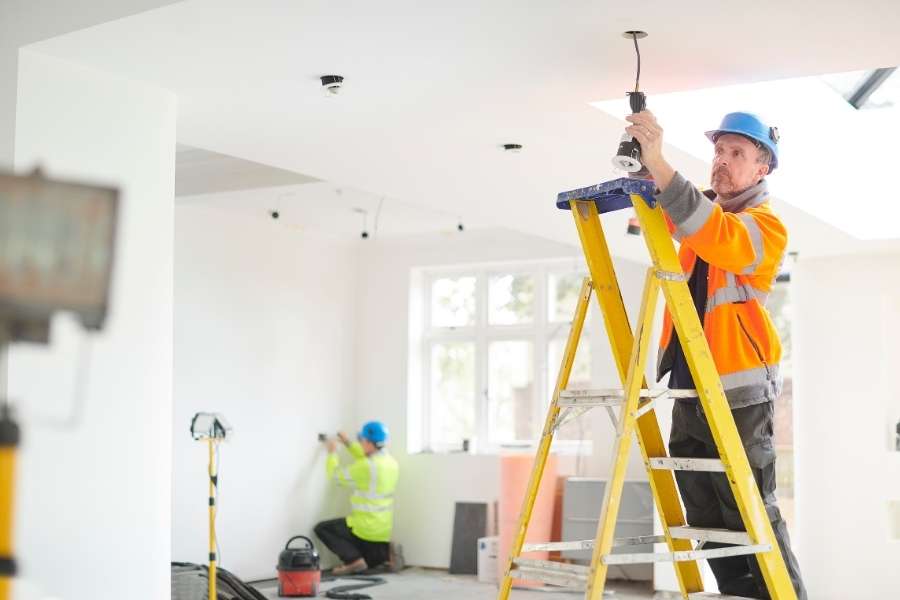
Do you hear strange rattling sounds inside your walls at night? Old houses have great character, but their utility lines carry a limited lifespan. You cannot afford to ignore hidden hazards behind your walls. Knowing when to rewire or repipe a house saves money, avoids major water leaks, and prevents dangerous house fires.
Every house depends on steady water flow and secure electrical current every single day. Pipes slowly corrode from constant water pressure and minerals. Electrical cables dry out under heavy daily power demands. A small plumbing leak can quietly rot your wood framing over several months. Spotting early warning signs protects your investment before an unexpected disaster strikes your living room.
Warning Signals That Show Your Home Plumbing Is Breaking Down
Plumbing networks run hidden through framing studs and basement ceilings. Most owners only think about them when clean water stops flowing. However, learning how to know if your house needs repiping keeps minor issues from turning into major floods. You must watch how your sinks, showers, and toilets perform during normal family routines. Many eager homeowners make hasty repairs without proper guidance, but reviewing a helpful DIY guide to avoid common plumbing mistakes helps prevent further system damage. Taking time to inspect visible supply lines regularly preserves your property value over time.
A clear drop in water pressure across several rooms is a classic warning sign. Mineral deposits and flaking metal collect inside supply lines over many years. This constant buildup chokes off water volume like a clogged artery. If running a washing machine kills your shower pressure, your internal pipes are struggling.
Changes in Water Color and Odor
Potable water should always flow out clean, transparent, and completely clear. If you spot red, yellow, or brown discoloration in your tub, pay attention. That rust color indicates that your water pipes are decaying on the inside. Metal flakes peel off interior walls and enter your personal drinking supply.
Rusty lines stain bathroom sinks and leave permanent streaks across your laundry. If colored water flows exclusively from hot taps, your water heater tank might be failing. However, rusty water from both taps confirms a wider system breakdown. Drinking this metallic water exposes your household to heavy mineral residues and unpleasant flavors.
Rusty lines also introduce loose debris into sensitive household appliances. Water heaters, ice makers, and clothes washers collect this stray grit inside their inlet valves. The grit cuts through internal valve gaskets and causes unexpected household appliance failures. Installing new plumbing lines restores fresh water quality and protects your costly home equipment.
Tracking Down Hidden Moisture Leaks
Visible floods make obvious messes, but slow concealed leaks cause far more structural harm. You need to know how to spot pinhole leaks in water lines early. These micro punctures form when water chemistry slowly dissolves plumbing wall alloys from the inside. Moisture then seeps silently into adjacent drywall, floorboards, and ceiling spaces.
- Spongy spots or soft gaps developing across wood or tile floors.
- Faint dripping sounds behind bathroom walls when all taps are off.
- Peeling paint, blistering drywall, or damp baseboards along interior walls.
- Musty, damp smells rising from dark utility rooms or crawlspaces.
- A sudden jump in your monthly municipal water utility bill.
Finding and fixing these micro leaks immediately prevents severe drywall rot and hazardous mold. A continuous leak weakens wooden wall framing and subflooring over time. In addition, warm damp pockets create ideal conditions for insect pests and termites. Calling an experienced technician to locate moisture saves your home structure from long-term rot.
Moisture meters and thermal imaging cameras find hidden leaks without breaking walls open. Experienced plumbers trace wet zones quickly by measuring surface temperatures across finished drywall. Catching water leaks early limits repair work to simple patches instead of major renovations. It also protects your personal family health from aggressive toxic black mold colonies.

Evaluating Different Pipe Materials and Their Natural Lifespans
Plumbing materials changed dramatically throughout the past several decades across residential construction. The specific plumbing material inside your home dictates how fast it corrodes and breaks down. Knowing what sits inside your walls helps you plan major upgrades before pipes burst. You can study essential plumbing tips for fixing household leaks to manage minor drips while planning larger pipe replacements. Proper maintenance knowledge ensures that small issues do not turn into major structural emergencies.
Some vintage pipe types carry known engineering defects that lead to sudden failures. Other metal piping options can last for generations with clean, balanced water supplies. Identifying your home piping helps you anticipate system leaks before they destroy valuable living space.
The Risks of Aging Galvanized Steel Lines
Homes built before 1960 relied heavily on zinc-coated galvanized steel water pipes. While strong mechanically, the inner zinc barrier wears down completely after several decades of use. That process exposes bare iron to running water and dissolved oxygen. Homeowners must learn the primary signs of corroded galvanized steel pipes to avoid disaster.
Galvanized steel pipes generally last between twenty and fifty years before severe internal rust sets in. Rigid copper lines often function well for fifty to seventy years, though aggressive water causes pitting. Modern flexible plastic lines deliver decades of dependable flow without corroding from internal mineral buildup. Older polybutylene plastic lines fail abruptly and carry high risk for unexpected indoor flooding disasters.
As galvanized iron rusts, thick tuberculation nodules grow along interior pipe walls. This heavy rust chokes water volume and traps debris inside the pipe channel. In addition, old steel lines often carry toxic lead deposits from historical pipe solder. Once rust sets in, chemical flushing cannot rebuild the lost metallic wall thickness.
Corroded steel pipes also break easily at threaded joints during routine maintenance work. Simply replacing a single angle stop valve can snap a fragile steel pipe nipple. Water then rushes into your walls before you can shut off the main water valve. Total line replacement remains the only permanent fix for vintage steel plumbing lines.
Modern Copper and PEX Alternatives
Property owners regularly wonder: what is the lifespan of copper plumbing pipes under standard conditions? Rigid copper lines often last 50 to 70 years in neutral water supplies. Even so, aggressive acidic water or high water velocity can cause early line failure. Homeowners should track pipe age carefully to schedule timely property upgrades.
Modern flexible PEX tubing has quickly become an industry favorite for whole-house replacement work. Installers route PEX through wall studs easily, much like regular electrical cabling. This flexible design eliminates many elbow fittings and reduces drywall cuts throughout your home. Furthermore, PEX lines resist scaling and withstand freezing temperatures better than rigid metal pipes.
Rigid copper remains a reliable choice for long runs and outdoor applications. It does not degrade under sun exposure and offers natural antibacterial properties. However, fluctuating metal commodity prices make copper more costly to purchase and install. Choosing between these materials depends on your personal budget and local water chemistry conditions.
Identifying Fire Hazards and Outdated Electrical Wiring
Water leaks destroy walls, but neglected electrical circuits can burn an entire house down. Older homes often run on wiring layouts designed for simple incandescent bulbs and small radios. Today, modern families run computer servers, large flat screens, and electric vehicle chargers simultaneously. Overloaded vintage circuits run hot, breaking down protective insulation jackets inside dry wall cavities.
National fire safety studies link thousands of residential structure fires directly to obsolete electrical components. As rubber or cloth insulation dries out, it flakes away from copper conductors. This bare metal exposure leads to dangerous electrical arcing inside your walls. Deciding to rewire or repipe a house eliminates these extreme safety hazards from your living areas.
Warning Signs from Outlets and Panels
Your main electrical service panel acts as the control center for household electrical current. When breakers or fuses fail to perform properly, they give off distinct sensory clues. Homeowners must stay alert to unusual smells, sounds, and surface temperatures around all electrical hardware.
- Breakers tripping repeatedly when running standard kitchen appliances or hair dryers.
- Wall switches or electrical outlet faceplates feeling warm or hot to the touch.
- Buzzing, ticking, or faint crackling noises coming from inside wall outlet boxes.
- Lights flickering or dimming noticeably when the air conditioning compressor kicks on.
- Acrid, sharp burning odors lingering in hallways without any obvious origin.
Never ignore a wall outlet that produces an electrical spark when plugging in a cord. Sparks point to loose screw terminals or worn internal contact points within the outlet receptacle. Loose connections create intense heat that can ignite nearby dry wood studs inside the wall. Replacing worn receptacles and updating obsolete electrical panels restores safe power throughout your rooms.
Modern households require clean, stable electrical current to operate sensitive home office electronics. Voltage spikes from unstable branch circuits can fry expensive computers, television sets, and appliances. Modern breaker panels include whole-home surge protection to shield valuable household electronics. Upgrading your service panel ensures reliable electrical current for all modern electronics.
Knob-and-Tube and Aluminum Branch Wiring
Houses built before 1950 often feature antique knob-and-tube electrical wiring. This vintage standard routes single conductors through ceramic tubes without a dedicated ground wire. Without a safety ground, power surges find dangerous alternate paths through valuable household electronics. Furthermore, covering knob-and-tube conductors with modern blown-in thermal insulation creates an extreme fire risk.
Homes built in the late 1960s frequently contain single-strand aluminum electrical conductors. Aluminum expands and contracts under heat far more than traditional copper conductors do. This cycling loosens terminal screws, triggering heavy oxidation and high electrical resistance at switch connections. That intense heat buildup makes unserviced aluminum wiring an immediate residential fire hazard.
Home insurance providers regularly refuse coverage on houses with active knob-and-tube or aluminum wiring. Underwriters view these ungrounded systems as unacceptable fire hazards for modern living demands. Upgrading your electrical systems preserves your property insurance policy and keeps your family safe. It also ensures full compliance with local building and electrical safety codes.
Choosing Between Targeted Spot Repairs and Whole-Home Replacements
Homeowners facing aging systems must decide between localized repairs and complete infrastructure overhauls. A single plumbing leak or tripping breaker makes many people hope for a quick fix. However, patching an aging system over and over costs more than doing a single complete renovation. You need to analyze the overall condition of your utility lines carefully.
A targeted spot patch makes practical sense for a clear, isolated mechanical problem. For example, a drywall screw puncturing a newer copper pipe requires only a simple patch. However, systemic wear, widespread corrosion, or crumbling insulation requires total system replacement. Putting new patches on failing pipes only shifts water pressure toward the next weak spot.
Full repiping replaces weak lines, improves household water volume, and removes hazardous lead solder joints. Complete electrical rewiring provides proper grounding, dedicated appliance circuits, and modern circuit breaker panels. Completing both jobs at the same time allows contractors to share open wall cavities efficiently. This smart strategy saves time, cuts labor costs, and shortens home renovation schedules.
Bundling your utility updates also speeds up the final wall patching and painting work. Your drywall contractor can repair all wall cuts in one scheduled visit instead of several. You will live with dust and disruption once rather than enduring repeated emergency repairs. Ultimately, completing these major renovations delivers long-term peace of mind for you and your family.
Frequent Homeowner Questions (FAQ)
What is the average lifespan of residential copper pipes?
Standard copper pipes usually last between 50 and 70 years under neutral water conditions. However, acidic well water or high water pressure can cause early leaks within 20 years.
How messy is the process to rewire or repipe a house?
Contractors make small incisions in drywall to route new pipes and electrical wires through wall studs. Reputable teams protect furniture with plastic sheeting and repair drywall cuts neatly before completing the job.
Can you replace old plumbing pipes without opening every wall?
Yes, flexible PEX lines can be snaked through wall cavities with minimal drywall cuts. This installation method avoids tearing out full plaster walls and cuts labor costs significantly.