
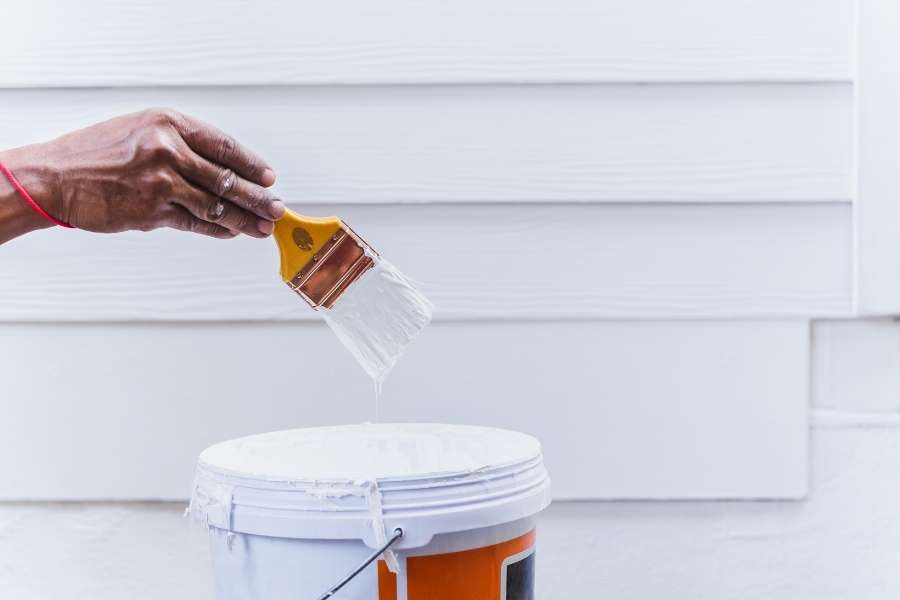
First impressions happen fast. A guest decides how your home feels within five seconds of pulling up. You do not need a full remodel or a huge budget to change that feeling. A fresh coat of well-chosen paint changes everything. The right choice lifts your curb appeal and makes your home look fresh. Picking the right shade means balancing your taste with your roof, stone, and natural surroundings.
Choosing the right exterior paint colors goes far beyond picking a small sample card at the store. Light changes throughout the day, and weather tests every surface. Whether you want a modern look or classic neutrals, understanding basic color choices helps you make a great investment.
Timeless Classic Neutrals for Modern Homes
Neutral shades remain top choices for home exteriors. They offer clean lines, high versatility, and long-lasting style. Whites, grays, and beiges build a warm foundation. These choices work well on almost any home style.
Crisp whites give your home a bright, airy feel. They reflect sunlight and make smaller spaces look much larger. Warm off-whites and greiges offer a softer touch. These shades blend smoothly with trees, lawns, and stone work. Soft gray remains a favorite siding choice across many neighborhoods. Charcoal grays bring deep contrast and modern elegance to any facade. Proper exterior shading and reflective paint tones also support efforts to maintain consistent indoor temperatures during hot summer months.
To keep neutrals from looking dull, add simple contrast points. Dark window trim and natural wood details make neutral exterior paint pop. This balance looks stylish without clashing with neighboring homes.
Deep, Dramatic Hues That Make a Bold Statement
Light colors are safe, but dark exterior shades bring instant drama. Deep blues, dark greens, and charcoal gray show modern confidence. They bring luxury to everyday homes without extra clutter.
Dark shades anchor your building visually. They make surrounding plants and bright flowers look richer. Charcoal siding creates sharp contrast against white trim and brickwork. Dark greens bring a grounded, earthy feel to wooden homes. Protecting your home involves keeping every system working efficiently, much like applying smart HVAC maintenance tips to avoid costly repairs throughout the year.
Lighting changes how dark color schemes look during the day. Darker paints absorb heat and fade faster in direct sun. You need a top-quality, weather resistant formula to keep colors deep. Test paint samples on different walls before you buy all your cans.
Accent Colors That Elevate Your Front Entrance
Your siding sets the main tone, but your entrance grabs all the attention. Painting your front door with a bright accent color boosts your home’s entry quickly. It is an easy weekend project with high visual payoff.
A red door gives guests a classic, energetic welcome. Soft green or dusty blue offers a calm feel. Bright yellow doors add playfulness to white or navy homes. Using bold colors on small areas keeps your home from feeling overwhelming.
Complement your entry door with updated light fixtures and clean planters. Matching door shades with window shutters keeps the look intentional and organized.
Harmonizing Your Palette with Fixed Exterior Elements
A common mistake is picking colors without checking existing materials. Unpainted brick, stone, and roof shingles have built-in undertones. Your siding paint must match these fixed elements to look natural.
Roof shingles carry brown, gray, or dark undertones. Choosing siding colors that clash with your roof ruins your curb appeal fast. Cool gray siding pairs best with black or slate roofs. Red brick works better with beige, olive, or warm cream shades.
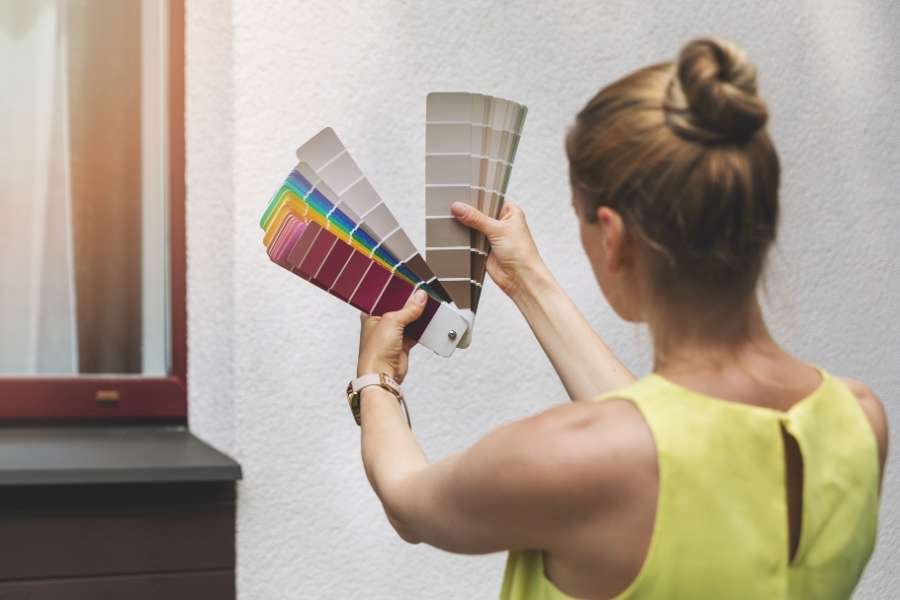
Look closely at your fixed materials before buying paint. Bring physical paint cards outside to check them in bright daylight.
| Exterior Component | Ideal Color Match | Undertone Compatibility |
| Red Brickwork | Sage green, warm cream, navy blue | Muted, earthy, or cool contrast |
| Dark Slate Roof | Crisp white, cool gray, charcoal | Cool gray and blue undertones |
| Warm Stone Accent | Off-white, soft beige, taupe | Warm yellow or brown undertones |
Essential Prep Work for a Professional, Long-Lasting Finish
Great paint choices fail without proper surface prep. Outdoor walls face rain, sun, wind, and wild temperature swings every season. Proper prep work ensures your new paint stays clean and smooth.
Power wash all walls and trim to remove old dirt and mold. Scrape peeling paint, sand rough wood, and patch damaged spots. Applying a quality primer is an essential step you cannot skip. Primer seals raw wood and helps your topcoat stick for years.
Use a quality brush for tight edges and trim work. Switch to a thick paint roller or sprayer for fast, smooth siding coverage. Buying durable weather resistant acrylic paint prevents cracking, peeling, and early fading over time.
| Surface Type | Recommended Tools | Key Prep Step |
| Lap Siding | Sprayer or 3/8″ nap paint roller, angle brush | Scraping, sanding, and applying dedicated primer |
| Stucco / Masonry | Thick nap roller (3/4″), heavy-duty brush | Deep cleaning, patching cracks with masonry filler |
| Trim & Doors | Fine synthetic bristle brush, small foam roller | Sanding smooth, cleaning off dust, detail priming |
Keeping Your Exterior Protected from Water Damage
Upgrading your paint is only one step in protecting your home’s exterior. Water drainage systems directly impact how long your new paint lasts. Faulty gutters leak water onto fresh paint and ruin your hard work.
Overflowing water damages wood siding, causing paint to bubble, peel, and rot. Even premium weather resistant coatings fail when exposed to constant water flow. Knowing how to safely clean clogged gutters on a two story house keeps runoff off your fresh paint. Adding the best aluminum gutter guards for heavy rainfall blocks leaves while directing water away safely.
Inspect your roofline twice a year to spot small issues early. Learning how to fix a sagging gutter joint yourself stops messy leaks down your front walls. Spotting early signs of water damage from overflowing gutters protects your fresh coat and saves repair money.
FAQ
What are the most popular exterior paint colors for boosting resale value?
Off-whites, soft greiges, classic navy, and muted grays are top choices. They appeal to buyers, highlight details, and keep homes looking clean.
How often should you repaint the exterior of a home?
Most homes need new paint every 7 to 10 years. Climate, surface material, and paint quality affect this timeline. Wood siding usually needs fresh paint every 5 to 7 years.
Should the front door match the shutter color?
Not always. Matching shutters looks classic, but a different door color creates an exciting focal point that guides eyes to your entrance.
Refreshing your home’s exterior is an exciting project with high visual rewards. Balancing strong base colors with bold accents creates a stunning design. Taking time for proper surface prep and gutter care protects your paint investment for years. Which color palette will you try for your next home project?
